Supply · Consultancy · Engineering · Application +90 505 507 04 18 [email protected]
Zero-Breakage Dispatch & Site Receiving Discipline

Fibre Cement Packing, Pallet Protection & Freight Weight Planning

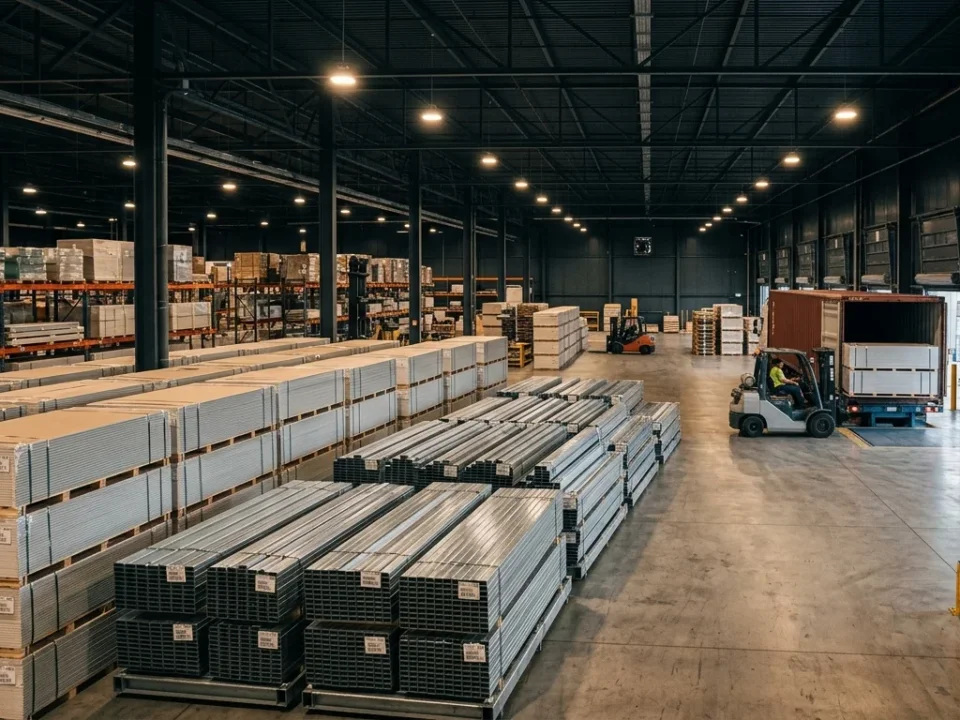
Architectural fibre cement boards have crisp edges and high mineral density. Safe delivery from Turkish dispatch warehouses to European yards or construction sites depends on rigid full-length pallet support, moisture barrier discipline, and proper forklift handling upon arrival.

Fibre Cement Packing, Pallet Protection & Freight Weight Planning
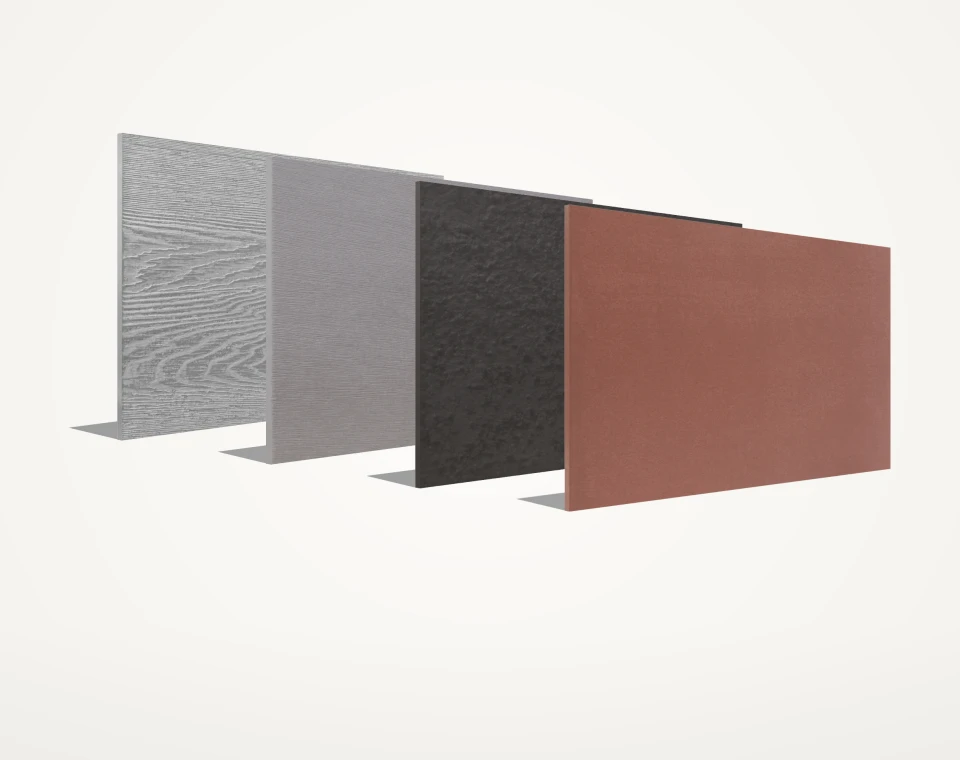
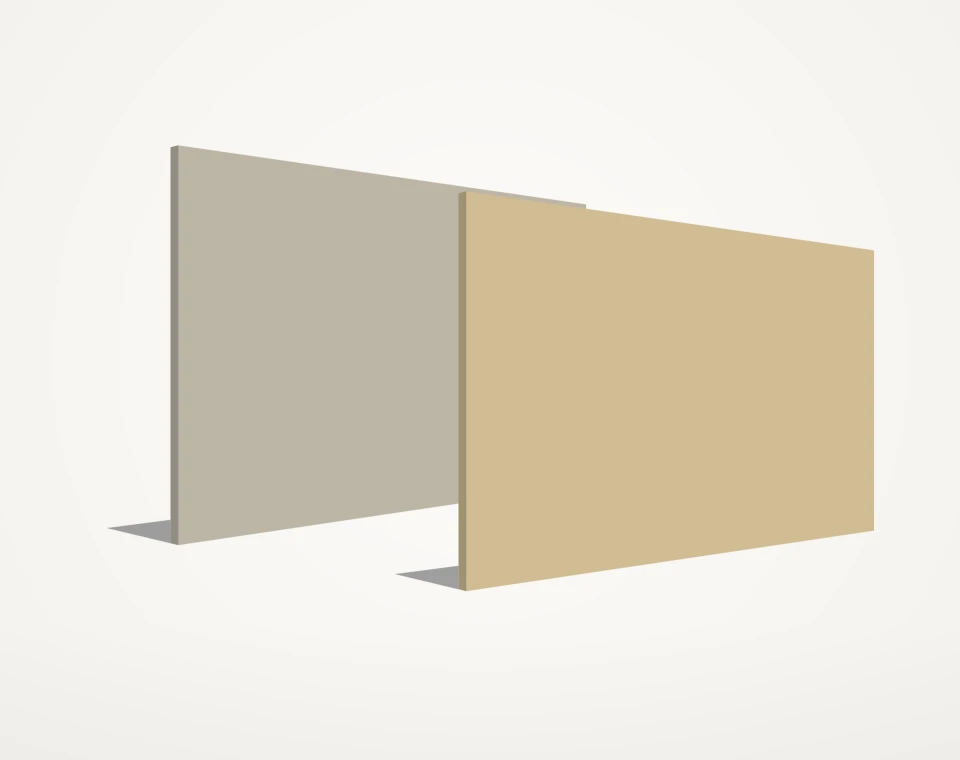
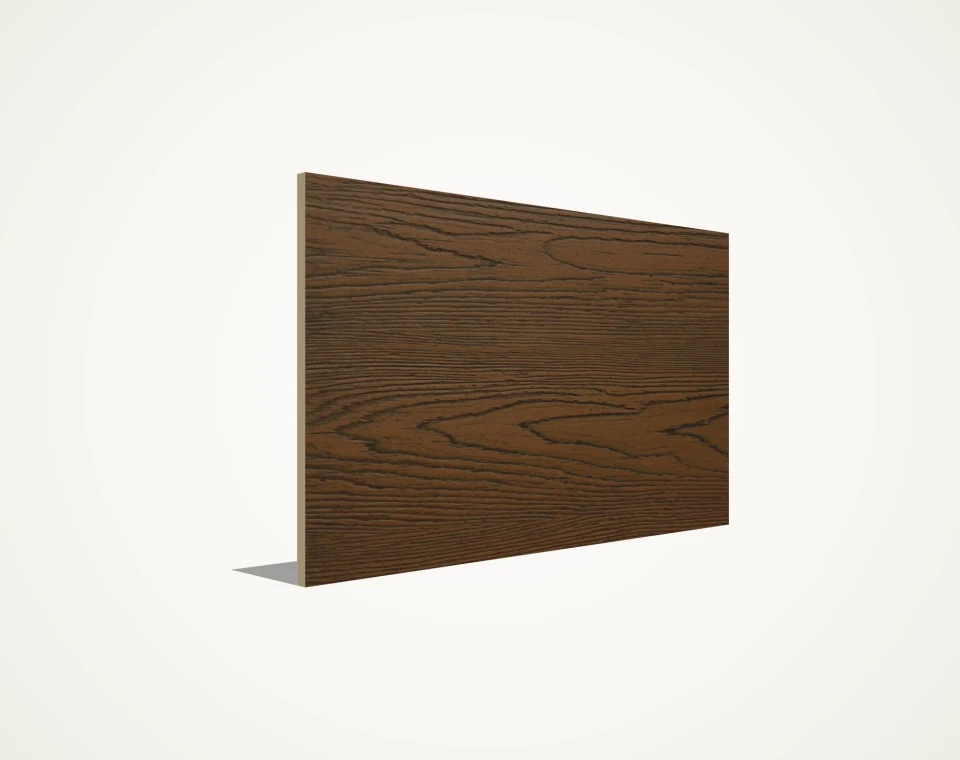
Representative surface & application visual — final shade, relief depth, and batch texture are verified via physical sample prior to order.

1. Pallet Construction, Corner Guards & Surface Interleaving

Boards must never overhang the wooden pallet base. Export pallets use rigid timber skids (ISPM 15 heat-treated for international phytosanitary compliance where required), protective top cover sheets or boards, reinforced corner/edge angles under PET/PP tension straps, and protective interleaving film/foam between factory-coated faces.
2. Why Payload Tonnage Governs Truck & Container Planning

At typical dry densities around 1,250–1,550 kg/m³ (confirmed per series datasheet), a single 10 mm sheet of 1250 × 2500 mm weighs roughly 40–48 kg, and one 50-sheet pallet weighs over 2.0–2.4 metric tonnes gross. Consequently, 10 to 12 pallets already reach standard European road trailer or 20ft container payload ceilings.

3. Unloading Equipment, Fork Spacing & Indoor Stacking Rules

Before dispatch, confirm whether your receiving site unloads from the side (curtain-sider forklift) or from the rear/ramp (20ft container). Forklift tines must be spread wide and deep enough to support the full pallet width without flexing the centre. Stack pallets only on dry, dead-flat concrete floors up to the maximum stack count stated by the manufacturer.

4. Condensation Prevention & Two-Person Vertical Sheet Carrying

Never leave plastic-hooded pallets exposed to outdoor sunshine after rain: trapped moisture draws capillary lime/alkali between stacked sheets and causes permanent efflorescence marks. Once opened indoors, lift sheets off the stack without sliding face-over-face, and carry every board vertically on edge with two workers.

Structured B2B Quotation & Sample Request (Direct WhatsApp)

Compile single or multiple fibre cement product lines, thicknesses, formats, and destination details into a structured technical summary sent directly to our export desk on WhatsApp (+90 505 507 04 18). Zero server form queues.

Product Specification Lines

For multi-sheet CAD/PDF packages, you may also email: [email protected]

Related Fibre Cement Product Families

Frequently Asked Technical & Commercial Questions

How are fibre cement boards palletised and protected against moisture and edge damage?

Boards are stacked horizontally on flat rigid wooden pallets (ISPM 15 heat-treated timber for export where required), fitted with protective edge/corner guards, interleaved where coated surfaces require separation, wrapped in moisture-resistant hood/film, and secured with tension strapping.

Are fibre cement export shipments constrained by cargo volume or maximum payload weight?

Payload weight is almost always the governing limit. Because mineral fibre cement boards are dense, both road trucks and 20ft containers reach maximum legal gross payload well before their cubic volume is full. Accurate thickness and sheet count are therefore essential to calculate freight cost per m².

What are the essential unloading and site storage rules upon delivery?

Unload pallets on level firm ground using wide-fork forklifts or spreader-bar slings that never crush board edges. Store pallets indoors or under ventilated dry cover; never leave shrink-wrapped pallets in direct rain/sun (condensation staining risk), and always carry individual sheets vertically on edge with two operators.

What are the most common fibre cement board enquiry formats supplied from Türkiye?

For flat and wood/concrete/colour architectural boards, 1250 × 2500 mm (3.125 m²) and 1250 × 3000 mm (3.75 m²) are the primary enquiry formats. Brick-relief panels frequently use pattern-matched outer sheets such as 1225 × 2590 mm or 1225 × 3000 mm, while horizontal lap cladding planks are commonly requested in 170 / 200 mm widths by 2500 / 3000 mm lengths. Exact availability is confirmed per order.

Which commercial and customs export documents accompany international shipments?

Standard export documentation prepared according to destination country and transport mode includes Commercial Invoice, Packing List (with net/gross weights and pallet counts), CMR or Bill of Lading (B/L), Turkish Export Customs Declaration, and A.TR or Certificate of Origin / EUR.1 where applicable.

Ready to Verify Formats, Finishes & Export Delivery Terms?

Share your target board thickness, outer dimensions, finish state, and destination port. Our commercial office prepares a product-matched quotation and sample dispatch plan.

Request via WhatsApp Request Export Quote +90 505 507 04 18
WhatsApp Export & Supply Desk